

Essential Cadillac Maintenance Tips for Your Luxury Car
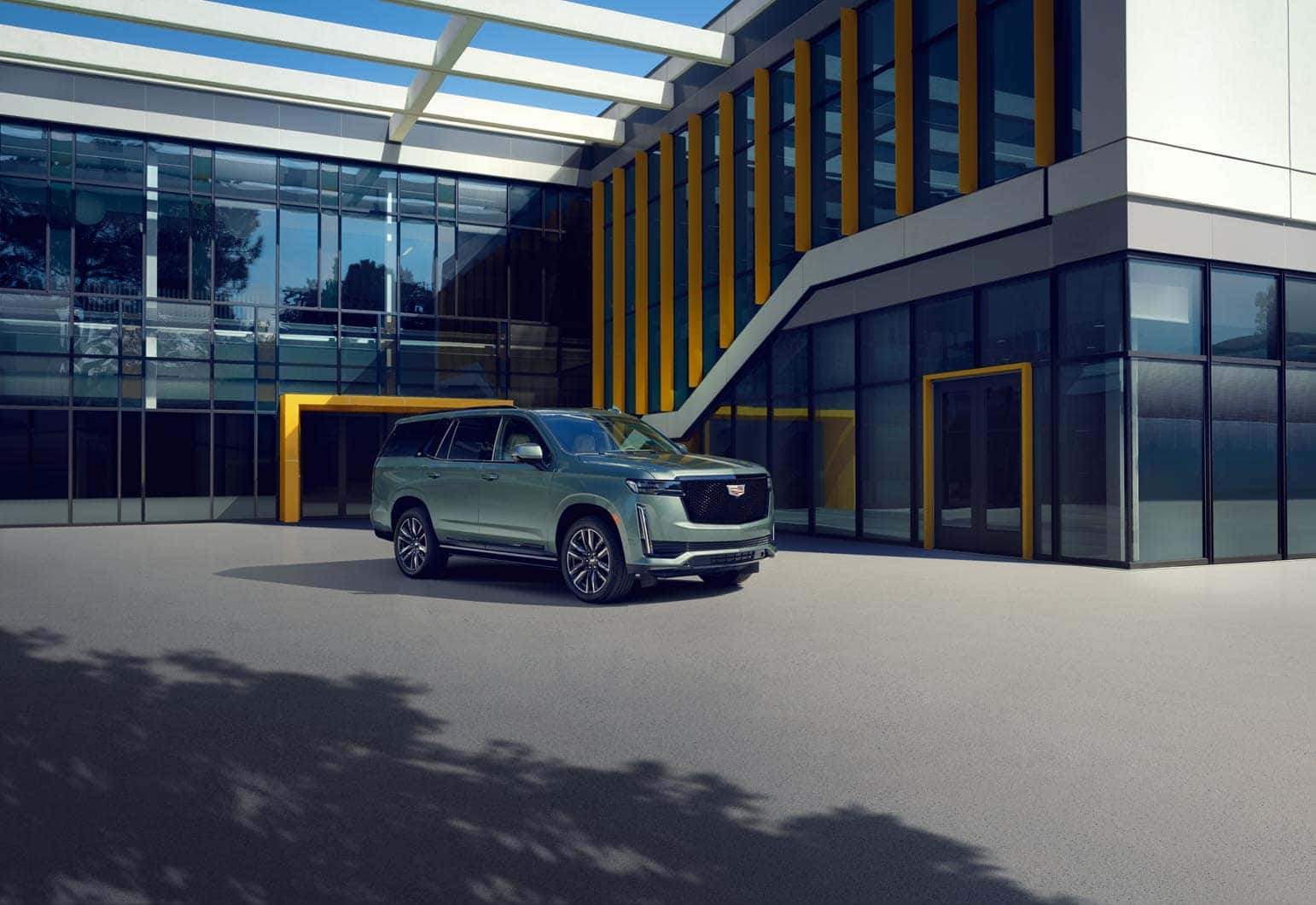
Cars are complicated beasts. The engine alone has hundreds of mechanical, electrical, and hydraulic parts that are constantly working, and they need to be maintained to keep everything running smoothly.
Luckily, it isn’t rocket science to keep your luxury vehicle in good shape—in fact, the rules are largely the same as any other car. All you really have to do is follow a simple maintenance schedule and your ride will ferry you around the streets of Pensacola and beyond for years and years to come.
Luxury Car Maintenance Checklist
Here’s a quick rundown of a few key things to keep an eye on.
Oil and Filter Changes
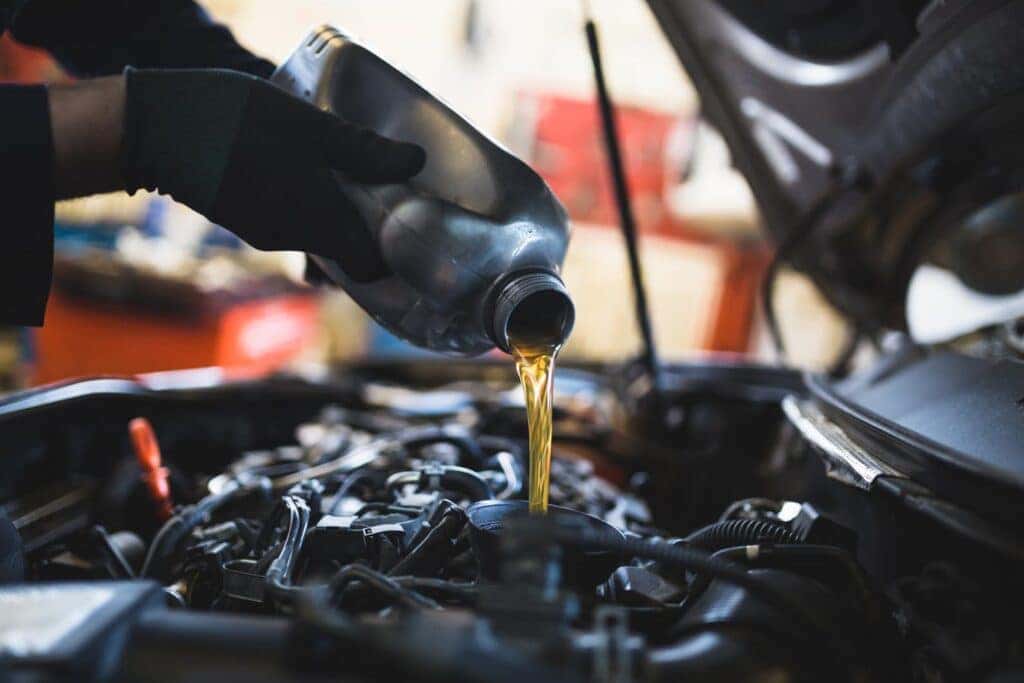
One of the most crucial maintenance tasks on nearly any vehicle is making sure the oil and oil filter are in good shape. The engine is oil is what lubricates all of the moving parts inside the motor, and if it isn’t changed out, it can eventually lead to worn components, overheating, and even total engine failure.
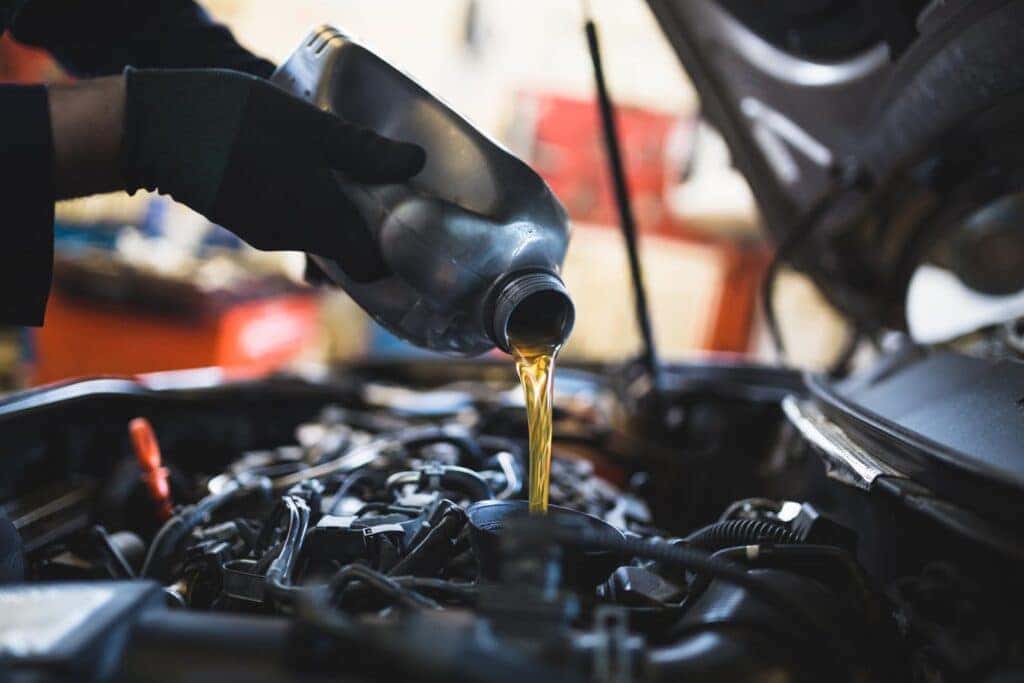
Typically, you’ll want to get your oil and filter changed every 5,000 to 7,500 miles, or once a year, but the best practice is to go by your owner’s manual guidelines.
Other Fluids
The oil isn’t the only essential fluid that keeps your luxury car moving.
Engine coolant is another important one. This fluid helps to regulate the temperature inside the engine, and improper coolant levels can cause poor fuel economy, engine wear, and eventually, the motor may overheat, which is one of the worst things for it.
Brake fluid should also be checked on a regular basis. The purpose of the brake fluid is to maintain the hydraulic pressure inside the braking system, and without proper pressure, your car may not stop or slow down as effectively.
Other fluids include automatic transmission fluid and windshield wiper fluid. Many of these can be easily checked and refilled at home, but it’s still a good idea to have a service technician take a look on a regular basis.
Brakes
It goes without saying that brakes are pretty important. The rate at which brake pads and rotors wear will vary depending on how you drive, so there isn’t a hard-and-fast schedule for changing them. This is why it’s important to check them regularly.
You should also be aware of the common signs of worn brakes. If you hear any strange noises like screeching or grinding when you apply the brakes, or you notice the car doesn’t slow down like it used to, you may be overdue for brake service.
Battery
You’ll be going nowhere fast with a faulty battery, but this part is fairly easy to visually inspect. Simply pop the hood, locate the battery, and check for any corrosion, or bulging or cracks on the sides. It’s also a good idea to check the voltage with a multimeter, which may require a technician if you don’t have one handy.
Batteries generally need to be replaced about every 3 to 5 years, but factors like driving conditions and weather can cause them to die sooner.
Tires
Tires should be routinely checked to make sure they have enough tread. When you measure tread depth, if it’s between 6/32 and 4/32 of an inch, it’s time to start thinking about replacement. At 2/32 of an inch, the car is no longer considered safe to drive. It’s also a good idea to check to make sure the tread is wearing evenly.
You should regularly check to make sure all four tires are properly inflated as well. Fortunately, most modern cars have tire pressure monitoring sensors, which will alert you if one falls below a safe pressure.
Rotating the tires is another important maintenance task. Having your tires rotated every 7,500 to 10,000 miles prevents them from wearing unevenly and prolongs tire life.
Other Components
There are plenty of other pivotal parts that a car will need to have checked and replaced over its lifetime. A few notable ones include:
- Spark plugs
- Engine and cabin air filters
- Belts and hoses
- Suspension
- Wheel alignment
- Windshield wipers
- Headlights and taillights
Some of these, such as spark plugs, belts, and hoses, may only need to be replaced every 80,000 to 100,000 miles. Still, it’s important to regularly check all of them for signs of early wear and tear.
All of this may seem like a lot to handle. The good news is, all of these components and more will be checked when you schedule a multi-point inspection at a Certified Service Center like Step One Cadillac Pensacola. Our team has up to date know-how about all the inner workings of your luxury car, and we use only the best OEM parts when something needs replaced.
Cadillac offers service plans as well, which makes scheduling routine maintenance and repairs a breeze. Contact our dealership near Cantonment, FL to learn more.
Cadillac Certified Service Near Pace, FL
Whether you’re just stopping by for an oil change or looking to have your luxury car checked out top to bottom, we’ve got you covered. We offer premium pickup and delivery for service, as well as courtesy loaners if repairs are expected to take a while, so you can have your Caddy fixed up without skipping a beat.
Give our sales department a call at (850) 941-7909, or simply use your myCadillac app to schedule an appointment. Be sure to check out our service specials and offers while you’re at it!
0 comment(s) so far on Essential Cadillac Maintenance Tips for Your Luxury Car